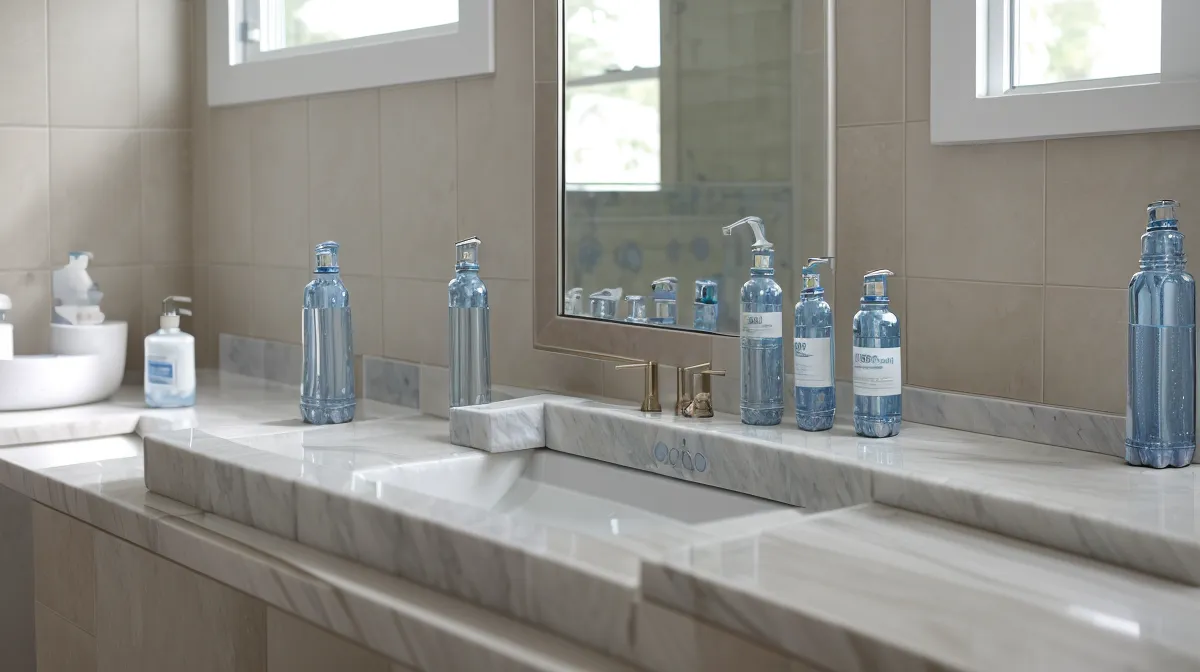
The bottle in my hand is warm, grabbed off the counter instead of the fridge, and I'm reading the pH number on the label for probably the tenth time this week, like squinting at it harder will change what my bladder does at night. This is where the alkaline water experiment started: not with a doctor's recommendation, not with a study, just a semi-retired IT guy trying to patch a nocturia problem the same way I'd patch a server that kept throwing errors. If you've searched something like "alkaline water prostate" at an hour you'd rather not admit to, I've been there. What followed was months of testing whether high-pH water could actually cut down on nighttime bathroom trips — and a supplement-testing habit that outlasted the water by a long shot.
None of what follows is medical advice, and I want that on record before anything else. I'm not a doctor, not a urologist, not anyone licensed to tell you what to do about your own bladder — I'm a semi-retired IT consultant who's spent the better part of seven years tracking his own bathroom habits instead of just quietly living with them. Some of the links ahead are affiliate links, meaning I earn a small commission if you buy through them at no extra cost to you, and I only mention products I've actually run through my own testing. Talk to your own doctor before changing anything about your hydration or supplement routine, especially if you already manage a kidney condition.
Why Higher pH Water Seemed Like a Logical Fix
In IT, when a system keeps failing, you look for whatever's out of balance and correct it — that's roughly the logic I brought to this. Somewhere in a forum thread about nocturia, which I only learned the clinical name for after months of just calling it "the thing," someone claimed acidic urine irritates the bladder lining and alkaline water could ease it. It's an appealingly tidy theory: neutralize the acid, calm the plumbing down. I looked up the pH scale the way I'd read a spec sheet, saw that the bottled water I'd started buying sat well above neutral, and figured a shift like that couldn't hurt to try. What I didn't appreciate going in is that the body doesn't let outside inputs change its internal settings that easily — it corrects fast, the way a good load balancer reroutes around a spike before you even notice one happened. That took months of bottled water and a genuinely embarrassing recycling bin to actually sink in.
Trading Tap Water for the Expensive Stuff, Nine Months In
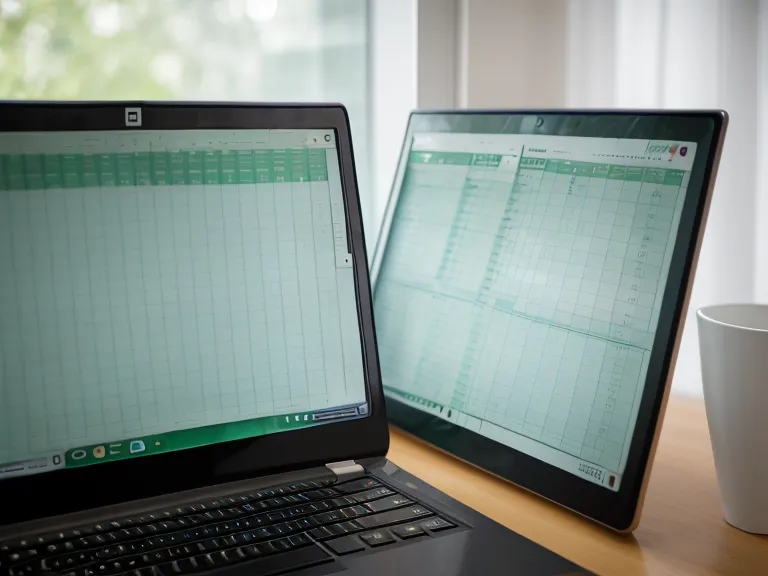
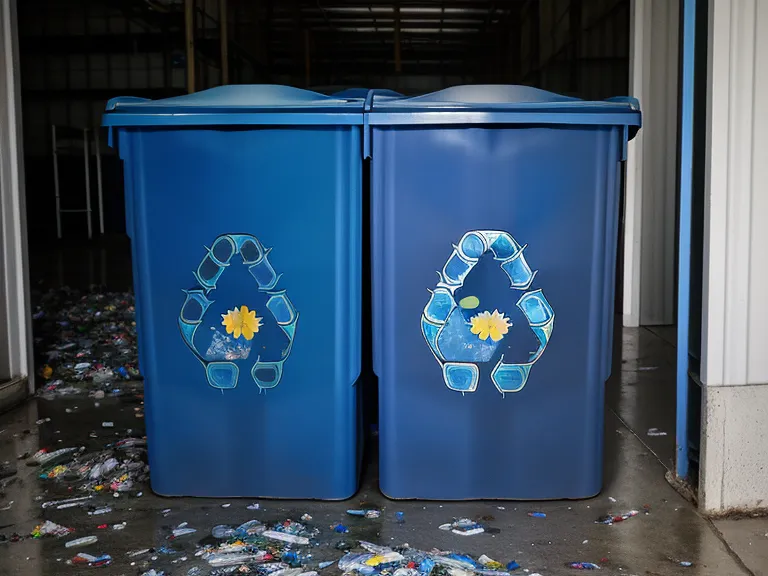
The experiment itself was simple enough: swap tap water for bottled alkaline water and track what happened. Bottles piled up fast. Within a few months the recycling bin by the garage door was getting more attention than my bladder was, and my wife had thoughts about both. She's not wrong that I lean into this kind of thing harder than a reasonable person would — I built a spreadsheet to log bottles against bathroom trips, which is either admirably methodical or a sign I need a hobby, depending who you ask. After the better part of nine months of logging, the numbers just didn't move the way I wanted them to. I was still up more than once most nights, and nothing in the data suggested the water itself was doing much of anything. Whatever benefit some guys report from alkaline water, in my case it wasn't showing up in the numbers that actually mattered to me — trips logged, hours slept, how wrecked I felt the next morning. If you want the longer version of what eventually worked better, my honest take on prostate supplements covers that in more detail.
Cold bathroom tile has a way of finishing that thought for you. Whatever the water was or wasn't doing, that jolt of stepping onto it barefoot, still half-asleep, hadn't changed one bit.
Should Guys With Kidney Issues Skip Alkaline Water?
One thing worth flagging, even though it doesn't apply to my own situation: alkaline water isn't the automatically safe choice it gets marketed as if you have any history of chronic kidney disease. I don't have that diagnosis myself, so I can't speak to it from personal testing, but enough sources I trust raised it that it deserves more than a shrug here. The short version is that when kidneys aren't filtering the way they should, a steady stream of mineral-heavy water can throw things further off rather than help. That's a conversation for your own doctor, not a spreadsheet — mine included.
Switching to Ingredients That Actually Target the Prostate
By the time I gave up on bottled water as a fix, I'd already been circling back to something I'd tried before with mixed results: botanical ingredients aimed at the tissue actually causing the problem, instead of whatever was passing through it. I moved on to testing Protoflow, which leans on saw palmetto and beta-sitosterol — saw palmetto being a small palm native to the Southeastern U.S. that shows up in a lot of formulas marketed for prostate health (for what that's worth). Unlike the water phase, which felt like troubleshooting a bug by adjusting the monitor brightness, this felt like it was actually touching the hardware. I kept a log the same way I had with the water, and around week six I pulled up the spreadsheet and noticed something I hadn't seen in months: four nights in a row where the trips column only had a single entry. That's the kind of thing a spreadsheet catches before you consciously register it — I actually scrolled back up to make sure I hadn't mistyped something. There are some notes here on how I eventually brought this up with my own doctor, which was an awkward conversation but one worth having.
What actually changed wasn't that the urge vanished — it still shows up some nights. It's that the signal got quieter. Instead of bolting upright with the kind of urgency that feels like an actual emergency, I started sleeping through closer to sunrise more nights than not. For someone who used to scope out restroom locations before a walk at Curtis Hixon Waterfront Park like I was planning a road trip, that's a bigger deal than it probably sounds.
Comparing Notes With a Friend Who's Skeptical of All of This
A friend of mine spends most weekends out in his garage teaching himself woodworking (badly, by his own admission), and he asked over coffee why I was so weirdly invested in a spreadsheet about my own bathroom habits. I told him it's not that different from sanding a joint until it actually fits — small adjustment, check the result, adjust again. That's roughly what nine months of this taught me. Staying hydrated matters for bladder health generally, but I wouldn't count on pH alone to do anything meaningful — the mineral content and the marketing around it outran what I actually noticed. Timing mattered more than the water itself: drinking a full bottle of anything right before bed is asking for a wake-up call, so I front-loaded most of my fluids earlier in the day instead. If the real issue is an aging prostate rather than a hydration habit, ingredients like beta-sitosterol are the ones tied to urinary flow, not whatever the pH reading says. Separately from any supplement, bladder training did more for me on its own than any bottled water ever did, which surprised me — it costs nothing, and I'd dismissed it as too simple to matter.
I also spent a couple of weeks with ProstaVive, a liquid version some guys prefer because it absorbs faster than a capsule does. It never became my regular pick — the taste isn't something I looked forward to, and the capsule format of Protoflow fit my morning routine better, more like a backup job I run once and stop thinking about. If swallowing pills isn't your thing, though, it's worth knowing the format exists.
The Verdict on the Alkaline Water Myth
Add up everything logged since this started, and alkaline water isn't a scam exactly — it's just expensive water that your system treats like, well, water, correcting for it fast and moving on. If you've got money set aside for your bladder situation, I'd put it toward ingredients with an actual target rather than a fancier label on a plastic bottle. My wife still brings up that recycling bin, and fairly so — I was chasing a fix that was never going to show up in that particular container. These days it's filtered tap water and a consistent supplement routine, and if you're tired of staring at the ceiling wondering whether it's worth getting up yet, Protoflow is the one piece of that routine I'd point you toward first. If nine months taught me anything transferable, it's this: track the thing you actually care about — trips, hours slept, whatever matters to you — because the label on a bottle will tell you anything, but your own log won't lie to you. Keep your own doctor in the loop regardless of which direction you go; some of this genuinely needs a professional looking at the file before you start changing things yourself.