
Wing sauce is still dripping off my knuckles when the math stops adding up: three ghost pepper baskets this month, and my nights have been quieter than they've been in ages. That's the whole spicy food and prostate health argument in one sitting. Capsaicin gets blamed as a bladder irritant on nearly every list men over fifty are handed, yet here I am, sleeping better than my supplement-testing spreadsheet says I should, still working through the hot sauce. Something about nightly urination and spice doesn't add up the way I'd assumed.
Quick disclosure before we get into it — I earn a commission if you click through to something like Protoflow and buy it, at no extra cost to you. I'm not a doctor, not a urologist, and not anything close to a medical professional — just a semi-retired IT consultant in Tampa who tracks his own bathroom trips with more discipline than he tracks his retirement account. If your plumbing's acting up, that's a conversation for an actual professional, not a guy with a spreadsheet.
Spicy Food and Prostate Health: Two Competing Theories
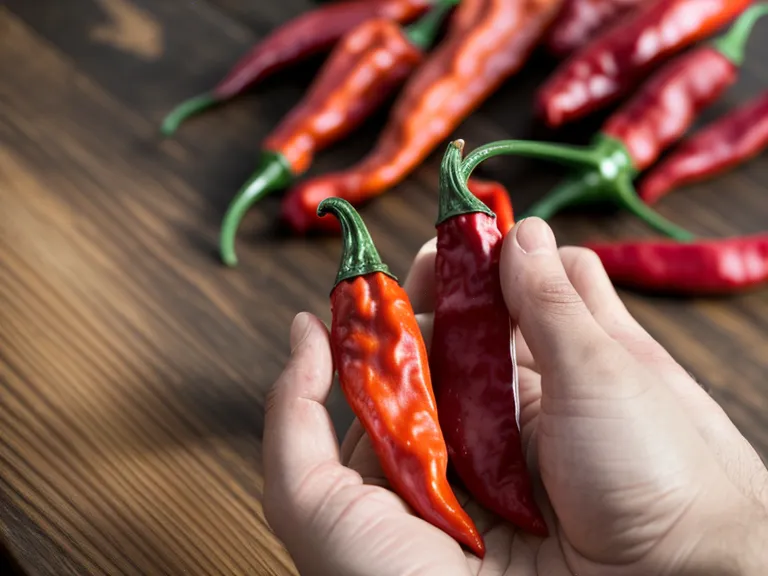
There are two arguments floating around, and they contradict each other almost completely. The prostate itself is a small gland, and most of what actually interrupts your night has more to do with the bladder's reaction to what you ate than the gland doing anything unusual on its own. Capsaicin has earned its spot on the bladder-irritant list — it's the compound behind most of the immediate urgency people report after a hot meal, the kind that has you calculating the distance to the nearest bathroom before you've even finished chewing.
The competing theory is less mainstream: that consistent exposure to spice trains your system to stop overreacting to it, the same way a support queue that gets slammed every day eventually gets a real process built around it instead of triggering a fire drill each time. I can't verify the biology behind that one, and I'm not going to pretend I understand it well enough to explain it — I just noticed my own trips didn't line up with the simple "spice equals bad night" rule I'd been assuming for years.
Why I Stopped Assuming Spice Was the Only Variable
Zinc was the first thing I tried, a bargain bottle grabbed off a Costco shelf, and I quit before logging a single real data point — no baseline, no comparison, nothing to show whether it moved the needle at all. That failure is on me, not the zinc. I hadn't built any way to actually measure it, which for a guy who got paid to measure things professionally for decades is embarrassing to admit.
Once I started actually tracking instead of guessing, the picture got more interesting. There was one morning not long ago when the alarm actually beat my bladder to it — first time that had happened in longer than I care to admit, and it landed during a stretch where I hadn't touched a single spicy meal because I was testing something else entirely. I remember standing there anyway out of habit, bare feet hitting the cold floor before my eyes had even caught up to being awake, waiting for an urge that never showed. That's the kind of coincidence that either means something or means nothing, and separating the two is basically my whole hobby at this point.
Phil, a buddy from college who's out fishing for redfish on Tampa Bay more weekends than not, is the only person in my life who finds that spreadsheet genuinely impressive instead of excessive (it's got a tab literally titled "Wing Nights," which is either dedication or a cry for help — my wife hasn't decided). Even he raised an eyebrow when I mentioned the quiet stretch had nothing to do with spice at all. My wife's reaction was closer to what you'd expect — a look that said this hobby has officially gone too far.
None of that tells you much about spicy food specifically, which is really a separate variable from the baseline tracking I do on every bottle I test, the sleep-disruption side of things I've written about elsewhere, or the cutoff time for fluids before bed — all worth their own conversation, none of them what settled this particular question for me. What settled it was paying attention to what I was actually taking alongside the wings, not just what I was eating.
That's what pulled me toward reading more about the role of selenium in supporting long term prostate health, and eventually toward a more complete formula rather than a single mineral in isolation. Protoflow ended up being the one I stuck with, mostly because the ingredient list matched what I was already trying to accomplish instead of asking me to guess.
Capsule or Liquid: Which Format Actually Fits a Spice-Heavy Diet?
A reader named Barry, out of the Atlanta area, has sent me more emails on this topic than anyone else by a wide margin, and one of his better questions was whether format matters once spice enters the picture — capsule versus liquid, not ingredients. It's a fair question, and one I hadn't really tested head to head until he asked.
I compared notes from my own Protoflow vs ProstaVive for urinary flow support testing against what changed on nights I'd eaten something aggressive. ProstaVive's liquid format absorbs faster on paper, and some guys swear that matters when a spicy dinner is already on the calendar. In practice, I couldn't tell the difference in same-night urgency — what mattered more was whether I'd actually taken the dose consistently, and Protoflow's capsule format was just easier for me to stay consistent with, the same way a scheduled task beats a manual one you have to remember to run yourself.
Ingredient overlap is its own rabbit hole — several of these formulas lean on the same handful of compounds, saw palmetto and beta-sitosterol chief among them, and I've got a whole comparison of those two sitting in my notes that I won't rehash here. Delivery format matters less than whether you actually take the thing on the day you need it, which sounds obvious right up until you're standing in front of a spice rack deciding whether tonight's the night to test your luck.
Timing Your Spice Versus Supporting Your System
Two strategies actually work, and they're not the same strategy wearing different clothes. The first is timing: moving anything aggressive to lunch instead of dinner, giving your system several hours of runway before you're horizontal. The second is building in support year-round so an occasional spicy dinner doesn't undo months of otherwise steady nights.
Bladder training and pelvic floor work both come up constantly in reader questions, and they're legitimate approaches — just not ones I've tested rigorously enough here to speak to with any authority, so I'll point you elsewhere for those rather than wing it. What I can speak to is the timing-versus-support comparison, because that's the one I've actually run side by side.
Timing alone helped some — fewer urgent trips in that first hour or two after eating. It didn't touch the baseline number of times I was up regardless of dinner. Support alone, without changing anything about what I ate, made a bigger dent in the overall count, but I noticed spice could still push a good stretch backward if I got careless about when I ate it. Combining both did more than either one on its own, which is a boring conclusion but an honest one.
Choose the Cutoff, Choose the Support
If your trips are still occasional and mild, shifting spicy meals earlier in the day is probably the cheaper first move — free, easy to test, and reversible if it doesn't help. If you're already past that point, several trips most nights no matter what's on the plate, that's when pairing spice with something consistent, rather than eliminating spice altogether, made the real difference for me.
Start with a foundation you can actually stick with. I've written up the natural prostate supplements for men over 50 that show their ingredient lists instead of hiding behind proprietary blends, and taking the Protoflow route has been the most consistent option in my own testing — consistent enough that I stopped dreading the occasional wing night instead of planning my evening around it. Talk to an actual doctor before you change anything, especially if the trips are frequent enough to worry about — don't take spreadsheet advice from a guy on the internet as a substitute for that.