Two cans of tomato paste and one small lycopene-and-saw-palmetto capsule produced wildly different results in the same prostate health log, and only one of them left an orange ring around my mouth for a week.
Before anything else: this site runs on affiliate links, and if you buy something through one of mine, I earn a commission at no extra cost to you. I recommend a men's supplement like Protoflow because I've put it through my own methodical testing, not because a check cleared. I'm also not a doctor, a urologist, or any kind of health professional — just a semi-retired IT consultant who got tired of mapping his life around the nearest bathroom. Talk to an actual professional before you change anything based on what I write here.
Two Years of Denial, One Spreadsheet Later
Calling something normal for two years doesn't make it normal, but that's the game I played — up three, sometimes four times a night, walking to the bathroom half asleep, telling myself this was just what fifty-seven felt like. Somewhere in there I tried a white noise machine on the nightstand, on the theory that if I couldn't hear the signal, I might sleep through the urge. It doesn't work that way — the machine drowned out the ceiling fan just fine and did nothing for the actual problem, so I was up at 3 AM listening to ocean sounds instead of anything useful.
By the time I stopped arguing with the data, my sleep tracker — another spreadsheet habit I'm not particularly proud of — showed the trend line moving in exactly one direction, and it wasn't the direction I wanted.
Why I Turned to Lycopene First
The research on lycopene kept surfacing in every prostate health thread I fell into during that stretch. It's the carotenoid that turns tomatoes red, and the working theory across most of what I read is that it's one of the more useful nutrients for prostate health specifically — the lycopene benefits people cited lined up with numbers a lot like mine. My IT brain did what it always does with a promising data point: assumed more input meant a better output, so I decided to test whether groceries alone could fix this before I touched a single supplement bottle.
The Tomato Paste Overcorrection
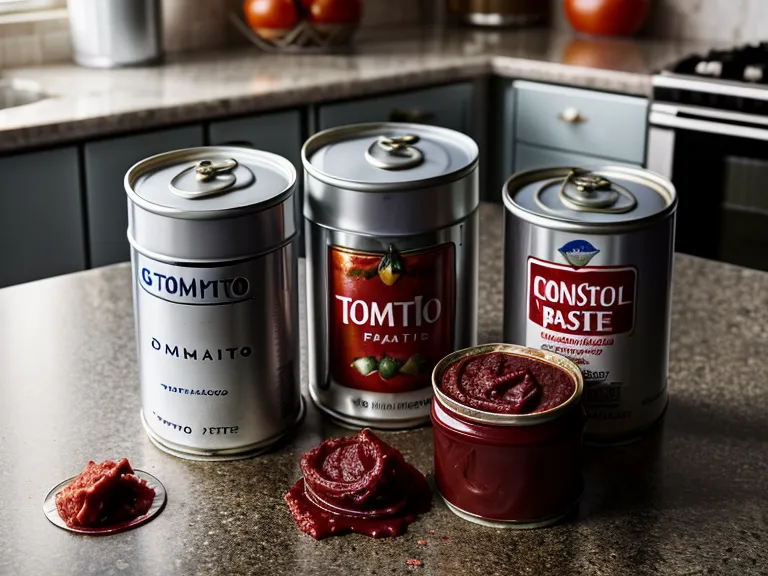
A raw tomato carries roughly 3.2 mg of lycopene, and concentrated paste carries a lot more, so eating my way to a fix seemed like simple math. Two cans a week, mixed into eggs, crackers, whatever would hold still long enough — that was the plan. What I hadn't accounted for was the sodium: my water retention spiked, and the nighttime trips got worse right when I expected them to improve.
My wife started hiding the empty tins in the back of the pantry whenever we had company, unwilling to explain the orange ring around my mouth or the growing collection of cans. Fair enough. Grocery-store trial and error wasn't going to give me the kind of consistent result I track everywhere else in my life.
Did My Bike Rides Undo the Diet Fix?
Weekend rides out through Ybor City and back were the other variable sitting quietly in my spreadsheet, and they mattered more than I expected. On the days I pushed hard, my nighttime numbers spiked the following night, which sent me down a rabbit hole about oxidative stress and endurance training. I won't pretend to understand the mechanism — that's outside my lane — but the pattern in my own log was consistent enough that I couldn't wave it off as coincidence.
A friend of mine spends his weekends on beginner woodworking projects out in his garage. I spend mine cross-referencing mileage against bathroom trips. Neither of us is winning any normalcy awards.
Standard advice aimed at a sedentary fifty-something doesn't really hold once you're logging real mileage. I needed something more concentrated than whatever tomatoes were on sale that week, paired with the two ingredients that kept showing up in every serious conversation about flow: saw palmetto and beta-sitosterol. That's when the grocery store experiment officially ended.
Stacking a Real Protocol Instead of Guessing
Enter Protoflow, the next test — and one where the ingredient list was an actual list, not a 'proprietary blend' asking me to trust a marketing department. It carries a 4.6 user rating on the marketplace, which appeals to the part of my brain that still wants peer data before committing to anything, and its 60-day money-back guarantee reads like the kind of SLA I used to demand from vendors back when I was billing hours for a living — the downside felt limited.
I also looked at ProstaVive, which carries a Gravity score of 111 — a made-up affiliate metric, but a real signal that plenty of guys are buying it. Its liquid formula is supposed to absorb faster than capsules, a comparison I'll save for another log entry. I stuck with Protoflow for this particular round because I wanted the lycopene-and-plant-sterol combination without extra ingredients muddying my numbers, and if you want the full breakdown, I laid out how Protoflow's ingredients stack up against other natural prostate supplements in a separate post.

Week Ten: What My Prostate Health Log Finally Showed
Around week ten, the pattern in my log finally shifted — the four-trip nights became rare, then stopped altogether, replaced by one trip, usually close to 5 AM, which is a number I can live with. Three hours into a movie without a single glance at the bathroom door isn't something I'd have bet on a year earlier.
The clearest proof came halfway through a drive to Orlando, when I realized I hadn't once calculated how far the next exit was — the first time in longer than I could remember that my brain hadn't automatically run that math in the background.
My tracking for all this lives in its own spreadsheet — one I'll spare you the full tour of, though it's more detailed than anything I ever built for a client. How much this was wrecking real sleep, not just bathroom counts, is a longer conversation than tomatoes deserve. Paying attention to the timing of my last drink in the evening, rather than just cutting total volume, moved the log more than I expected, and I've also been tracking a small vitamin D adjustment (details are in my notes on vitamin D and sleep quality), which seems to move in tandem with the lycopene stack rather than against it.

What I'd Tell the Guy Who's Still Denying It
If you're in the same 3 AM rotation I was in, eating an extra slice of pizza and calling it lycopene therapy won't move your numbers — I tested that logic and it failed just as hard as the tomato paste did. A concentrated, stacked approach is what actually shifted my log, and if you're active or running a demanding job on top of it, plain diet alone probably can't deliver the kind of urinary support an over-50 lifestyle actually needs. I'm not a health professional, but my own tracking points toward Protoflow being a more reliable lever than a pantry experiment ever was.
Still deciding where to start? I've logged separate rounds with stinging nettle root and pumpkin seed oil, and neither one replaced this stack outright. The actual lesson from ten weeks of logging isn't which product wins — it's that you can't out-eat a real deficit with a handful of grocery-store fixes. Pick one consistent variable, track it long enough to trust the trend line, and only then decide what to change next.