Forty-five minutes. That used to be roughly how often the urge to go would resurface while I sat at my desk, whether I'd actually gone ten minutes earlier or not. I run an IT consulting practice from home in Tampa, semi-retired, and for a long stretch I treated those nighttime bathroom trips as background noise, just part of turning 57, nothing worth fixing. It wasn't until I looked hard at both the chair under me and the prostate supplement in my cabinet that I had anything worth comparing, and comparing things is basically my whole personality at this point.
Quick disclosure before anything else: I've bought and used every product mentioned below, and if you click through and buy something, I earn a small commission at no extra cost to you. None of that changes what follows — I'm not a doctor, not a urologist, just a guy with a spreadsheet habit his wife finds mildly concerning. Talk to your own doctor before changing anything about your routine.
Does the Chair You Sit In Actually Affect Nighttime Trips?
People ask me this more than almost anything else, so let's get it out of the way early. Sitting for long stretches puts steady pressure on the pelvic area, and for a chair-bound guy like me — or a long-haul truck driver, or anyone who can't just stand up and pace every twenty minutes during a work call — that pressure is a real variable, not an excuse. I'm not going to pretend I know the exact mechanism behind it, because I don't, and anyone promising a tidy biological explanation on a supplement blog should probably be treated with some suspicion. What I can tell you is what changed when I swapped the setup, and what didn't.
A Heating Pad Was My First, Failed Attempt at Fixing This
Before the chair, I tried a heating pad on my lower back — something I picked up from a forum thread where a few guys swore it helped with urgency. I used it most evenings for a while. Bathroom trips didn't budge. Sleep quality didn't budge. If there was an effect, my tracking never caught it, and I track enough that I'd have noticed. That failure is actually what pushed me toward looking at the chair itself instead of reaching for another gadget aimed at the same general area.
The Ergonomic Chair and the Protoflow Combination
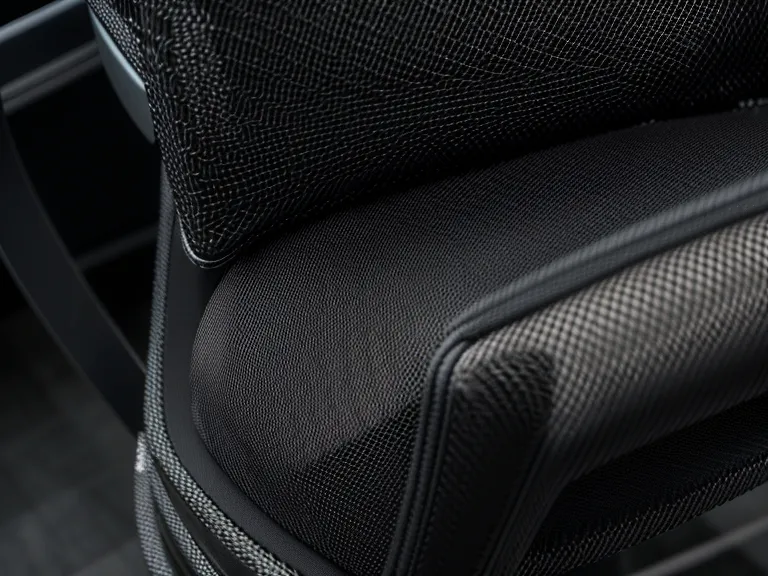
Two changes happened close enough together that I can't fully separate them, which bugs the IT part of my brain more than it probably should. First, I replaced my old chair — a hand-me-down leather one that put me right on top of my own pelvis — with a mesh ergonomic model built to spread weight more evenly across the seat. Second, I started taking Protoflow daily, mostly because it lists saw palmetto and beta-sitosterol right on the label instead of hiding behind a vague "proprietary blend," and because the return window meant I wasn't stuck with a shelf ornament if it did nothing. I'd already worked through more supplements than I'd like to admit by that point, so a plain ingredient list carries real weight with me.
Is Protoflow Doing More Than the Chair, or Less?
Honestly, I can't give you a clean percentage split, and I'd distrust anyone who claims they can. I also looked hard at ProstaVive around the same time — a liquid formula with a loyal following among other reviewers I read — but I stuck with a capsule for my own routine since that's what fits into a desk-bound day without extra steps. Between the two, the supplement seems to be doing something on its own, separate from the chair, because the shift I noticed didn't line up with any change in how long I'd been sitting on a given day. The chair still matters, though — on days I'm working from a client's office in a chair I don't control, the old pattern creeps back in a little, supplement or not.
The two aren't really testing the same thing. A chair addresses physical pressure on the prostate area from sitting; the supplement is doing something separate, and I don't pretend to know exactly what happens on the ingredient side once it's in my system. I just watch what happens to the numbers.
Track the Chair and the Supplement as Separate Variables
Here's the actual method, since a few readers have asked for it directly instead of the short version. I log nightly bathroom trips, a rough sleep-quality score out of ten, and which chair I sat in that day, because a bad night needs a cause before I'll count it as evidence against anything. The chair and the supplement stay two separate line items in my head, not a bundled expense — the same way I wouldn't blame a slow month on marketing spend without also checking whether a client had just walked. That habit overlaps with a few other things I track on their own: a baseline trip count before I judge any product at all, how much the bathroom trips specifically wreck a night's sleep versus everything else that can wreck it, and how the timing of when I stop drinking water in the evening seems to matter as much as how much I drink overall. I also watch for ingredient overlap between products, because stacking two supplements built on the same base ingredients doesn't double the effect — it just doubles the bottle count on the shelf.
The Questions Readers Ask Me Most
The single most common question, by a wide margin, comes from Barry Ngeh, a reader out of the Atlanta area I've traded more emails with than anyone else who's written in. He wanted to know, bluntly, whether the chair or the supplement was carrying more of the weight. My answer hasn't changed: I can't fully untangle them, but if pressed, I'd guess the supplement handles more of the night-to-night baseline and the chair handles the daytime pressure that used to make evenings worse before I'd even gotten home. The second most common question is whether this combination is some kind of fix. It isn't. It's a pattern that held up across enough logged nights that I stopped assuming it was luck.
One morning stands out more than any of the data does, honestly. I was on my second cup of coffee at the desk, deep into an email, when I realized several minutes had gone by without that low background hum of "you'll need to go soon" sitting in the back of my head. That was the first time in longer than I could remember that the thought simply hadn't shown up yet. That's not a clinical measurement. It's just the moment I stopped needing the spreadsheet to tell me something had actually changed.
For anyone who wants to go further than a chair and one supplement, I've written separately about better sleep hygiene habits for men dealing with prostate issues and about how a morning walk factors into bladder control on top of everything else — worth a look if your day allows for more than a chair swap.
Chairs and Supplements Both Matter, Just Not Equally
Neither the chair nor Protoflow is dramatic on its own. Together, they're the closest thing to a stable pattern I've found after working through more products than I care to count. My old college roommate Phil Kovacs, who ended up in Orlando years back, is about the only person in my life who treats the tracking spreadsheet as a good idea instead of a red flag — everyone else, my wife included, has opinions about it. I've kept using Protoflow mainly because it's been consistent, not flashy, and consistency is what actually shows up in the log. If you're dealing with something similar and you're tired of guessing, it's worth looking at both the thing you sit in and what you're taking, rather than assuming it has to be one or the other. You can check out Protoflow here and decide for yourself whether it fits your own routine.