Forty-five minutes. That's roughly how long it takes a glass of fresh orange juice to turn into a bladder problem for me, and I only know the number because I've been logging dietary triggers in a spreadsheet the way I used to log server outages — timestamp, symptom, no guessing allowed.
The sensation itself is hard to describe to anyone who hasn't felt it. It isn't the familiar, gradual fullness you'd expect from drinking liquid. It's a sudden, tight ache low behind the pubic bone that shows up out of nowhere and dares you to keep sitting still through a conversation. For two years I filed that feeling under "getting older" and moved on. The spreadsheet eventually told a different story.
Once I started treating my own bladder like a system under test instead of a mystery, two competing strategies emerged — and guys dealing with urinary frequency tend to land on one or the other without ever realizing there's a real trade-off between them.
Why Citrus Hits the Bladder Harder Than It Should
Citrus, most tomato-based sauces, and a lot of diet soda sit at a noticeably different pH than plain water, and that's about as far into the chemistry as I'm willing to go in public. I'm not a biologist, and I saw enough confidently wrong troubleshooting guides in my old IT life to know better than to play one here. What I can tell you is what the tracking sheet showed: acidic drinks correlated with sharper, faster urgency than almost anything else I logged, including coffee.
That correlation held up often enough that I stopped treating it as a coincidence. Bladder health and prostate issues get lumped together in a lot of forum threads, but for me the acid connection was specifically about urinary frequency and that stabbing kind of urgency — not the slower, heavier pressure that shows up from other causes.
Seven years into treating my own body like a system worth logging, acid turned out to be one of the more reliable triggers I've ever isolated. It was more consistent than caffeine, more consistent than stress, though nowhere near as dramatic as either on a bad week. From there, two genuinely different strategies emerged, and testing them back to back made the trade-off between them pretty obvious.
Approach One: Cutting Out Acid Completely
My first move was the kind of binary thinking every IT person reaches for eventually: if citrus was the trigger, eliminate citrus. Oranges in the morning, lime in sparkling water, lemonade at lunch, tomato sauce on pasta night — all of it got cut for roughly a month. Sure enough, the sharp, clenched-fist urgency dialed back fast, and for a couple of weeks it felt like I'd solved the puzzle with one clean fix, the kind of move that feels great right up until the server throws a completely different error.
Oranges came back into rotation eventually, but only after a new problem showed up first. A dull, low ache settled in around the bladder area that had nothing to do with cold drinks or morning routines. It was just there, low-grade and constant. I never got a clean explanation for why, and I'm not going to pretend I reverse-engineered the biology behind it. What the tracking sheet made obvious was that total elimination traded one discomfort for a different one. Swapping problems isn't the same as fixing one.
Approach Two: Dilute, Chase, and Time It Right
The second approach gave up on elimination and treated acid like a dosage problem instead of a yes-or-no switch. Fresh orange or grapefruit juice gets treated as a concentrate now — one part juice to two parts cold water, which keeps the flavor honest while taking the sharpest edge off whatever's reaching the bladder. Anything acidic, whether that's iced tea with lemon or a slice of key lime pie, gets chased immediately with a full glass of plain water, somewhere around eight to ten ounces. And nothing acidic touches an empty stomach anymore; pairing it with eggs, yogurt, or anything with a little fat seems to spread the load out instead of dumping it on the bladder all at once.
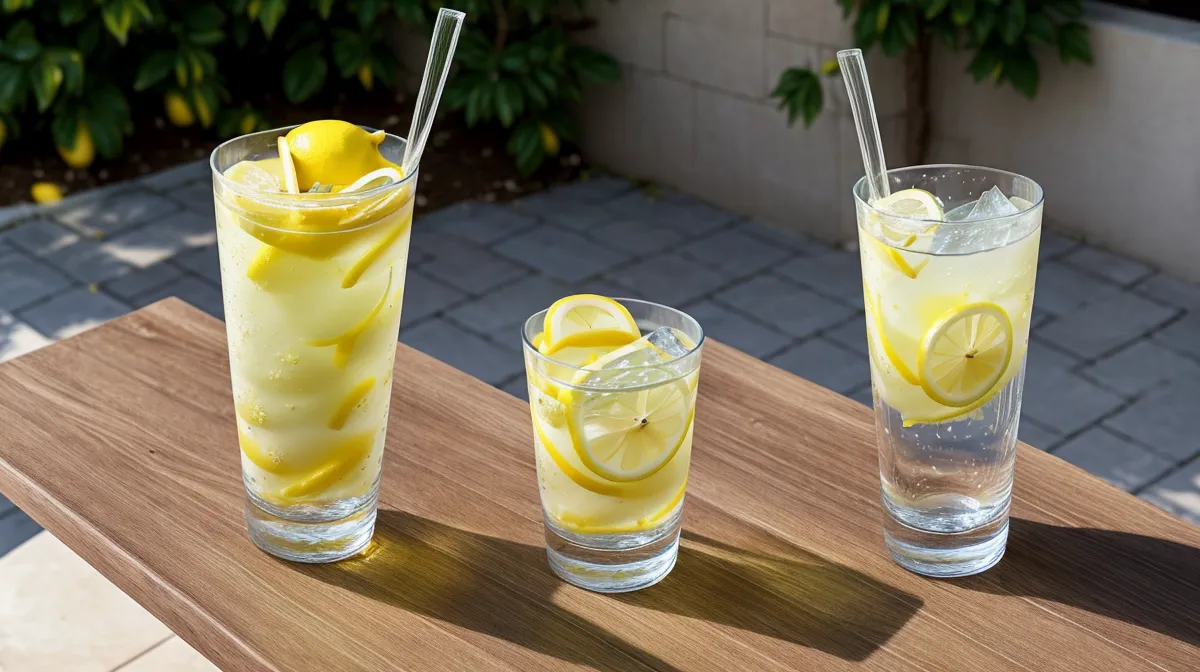
A clearer test of this came on an evening walk down Bayshore Boulevard with a to-go cup of fresh-squeezed lemonade that would have cut the walk short a year earlier. Half the cup got topped off with ice water from a bottle I was already carrying, and the walk continued without incident. One ordinary bathroom stop afterward, nothing dramatic, no detour hunting for an unfamiliar restroom.
None of this fixed the nights entirely on its own. I tried a white noise machine at one point, betting that sleeping through the first signal would just reset the whole pattern — that's not how a bladder works, and all it really did was add a second sound to sleep through. What actually moved the needle at night was applying the same dilution-and-timing logic to the evening hours instead of trying to drown out the signal.
There's a specific shock to cold bathroom tile against bare feet in the dark, the kind that wakes you up before your eyes have adjusted, and for two years that was close to a nightly event. Somewhere in the last stretch, the alarm clock went off before my bladder did, for the first time in longer than I care to admit. That's not a cure. It's just what consistent inputs look like once you track them instead of guessing at them.
Which Approach Actually Wins
Side by side, elimination wins on raw simplicity — there's no math, no ratios, nothing to remember mid-conversation. But it only holds up short-term, and pushed past a few weeks it seems to trade one kind of discomfort for another. Dilution and timing demand more attention; you actually have to think about what's in the glass and what's in your stomach. The tracking sheet shows it holding up longer, though, without that secondary ache ever showing back up.
If you're in the middle of an active flare — genuine, can't-sit-still urgency — cutting acid completely for a few days is the faster off switch, and I still reach for it that way. As an ongoing approach, though, dilution and timing hold up better, because full elimination seems to relocate the discomfort rather than remove it. Use the clean break for short-term relief, and save the moderation approach for anything you plan to keep doing past a couple of weeks.
Know This Before You Start Adjusting Anything
This doesn't replace an actual diagnosis. Persistent urgency, frequent night trips, or new pain are worth a real conversation with a doctor or urologist before you start treating your diet like the whole problem — self-tracking shows you patterns, not what's actually going on structurally. There are plenty of common reasons for waking up to pee more than once that have nothing to do with what you drank, and separating those from the acid pattern was its own exercise in paying attention. Stress plays a role too — I've gone into more detail on how deadline pressure and chronic stress affect urinary frequency elsewhere, and the overlap between a tense nervous system and a touchy bladder is real enough that acid alone rarely explains an entire bad week.
You don't have to give up citrus or a cold glass of lemonade in July to get this under control. Treat it the way you'd treat any input into a system you actually care about — manage the concentration, time the delivery, keep your baseline steady — and stop letting a single drink dictate the rest of your afternoon.